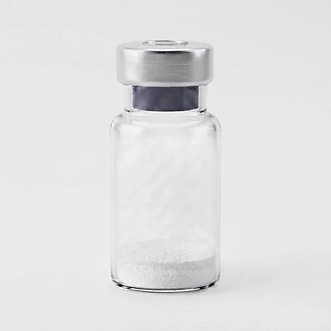
NAD+ (Nicotinamide Adenine Dinucleotide)
LC-NAD-500 · 500mg vial
Endogenous coenzyme central to cellular redox metabolism and NAD+-dependent sirtuin signaling. Supplied as the reduced disodium salt, lyophilized under inert atmosphere.
Purity
99%
Availability
In Stock
$50.00
- Molecular Formula
- C21H27N7O14P2
- Molecular Weight
- 663.43 g/mol
- Half-Life
- —
- Physical Form
- Lyophilized powder
- Storage
- -20°C, protect from light
- Purity (HPLC)
- 99%
- SKU
- LC-NAD-500
Research Dossier
NAD+ (Nicotinamide Adenine Dinucleotide) — Preclinical Profile
A plain-language mechanism of action and a general laboratory research protocol — compiled from published research literature.
For laboratory research only. The information below summarizes published research literature and is provided for reference by qualified laboratory personnel. It is not medical advice and makes no therapeutic claims. These products are not for human or veterinary use, diagnosis, or treatment, and have not been evaluated by the FDA.
Mechanism of Action
NAD+ acts as a cellular shuttle that carries electrons between different molecules to help produce energy. It is also a necessary component for enzymes that manage DNA repair and maintain the internal balance of the cell. By switching between two forms, it helps keep metabolic reactions functioning correctly.
Primary Research Areas
Clinical Research Applications
Biological Aging
Clinical research is exploring how NAD+ levels correlate with cellular aging markers and overall longevity in human cohorts.
Cognitive Health
Investigators are studying the role of NAD+ metabolism in supporting neuronal function and its potential impact on neurodegenerative processes.
Metabolic Regulation
Human studies are evaluating how NAD+ precursors influence metabolic efficiency, including glucose management and energy expenditure.
Vascular Integrity
Research is investigating the relationship between NAD+ availability and the health of blood vessels and cardiac tissue.
Reproductive Science
Clinical trials are examining how NAD+ levels affect oocyte quality and reproductive health markers in aging populations.
Muscle Physiology
Scientists are investigating the impact of NAD+ on physical performance, muscle recovery, and self-reported energy levels in adults.
The applications above describe areas of ongoing clinical investigation reported in the research literature. They are not indications of approved use, efficacy, or safety, and do not constitute medical or therapeutic claims.
Laboratory Research Protocol
Reconstitution
Reconstitute the lyophilized powder in sterile nuclease-free water or Phosphate Buffered Saline (PBS) at a pH of 7.0–7.4.
Storage
Store the lyophilized vial at -20°C. Once reconstituted, the solution should be refrigerated at 2-8°C and protected from light to prevent degradation.
In-vitro reference range
Typical concentration ranges in published assays vary; research has noted EC50 values achieving 2.4–10-fold changes in cellular concentrations depending on the cell line used.
Handling notes
NAD+ is a dinucleotide coenzyme and is highly sensitive to light and moisture. It should be handled in a controlled environment to maintain chemical stability.
Concentration ranges reflect values reported in published in-vitro assays and are provided as a literature reference only — not a dosing regimen for use in any organism.
Selected References
- 01NAD+ metabolism and its roles in cellular processes during ageing — https://pmc.ncbi.nlm.nih.gov/articles/PMC7963035
- 02NAD⁺ supplementation for anti-aging and wellness: A PRISMA-guided systematic review — https://www.sciencedirect.com/science/article/pii/S1568163726000498
- 03The Role of NAD+ in Regenerative Medicine — https://pmc.ncbi.nlm.nih.gov/articles/PMC9512238/
- 04NAD+ precursor supplementation in human ageing: clinical evidence and challenges — https://www.nature.com/articles/s42255-025-01387-7
Compliance Statement
For laboratory research only, not for human or veterinary use, not evaluated by FDA.