
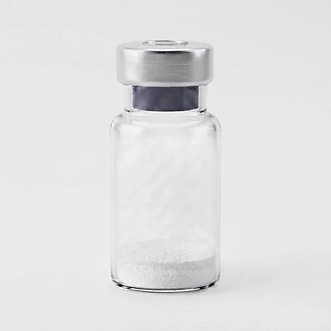
Wolverine Blend (BPC-157 + TB-500)
LC-WLV-10 · 20mg vial
Co-formulated blend combining the gastric-stable cytoprotective peptide BPC-157 with the thymosin β4 fragment TB-500 for tissue-repair research.
Purity
99%
Availability
In Stock
$60.00
- Molecular Formula
- Blend
- Molecular Weight
- 1419.55 g/mol (BPC-157) / 4345.27 g/mol (TB-500)
- Sequence
- GEPPPGKPADDAGLV / LKKTETQ
- Half-Life
- ~3 hrs
- Physical Form
- Lyophilized blend
- Storage
- -20°C lyophilized; 2-8°C reconstituted
- Purity (HPLC)
- 99%
- SKU
- LC-WLV-10
Research Dossier
Wolverine Blend (BPC-157 + TB-500) — Preclinical Profile
A plain-language mechanism of action and a general laboratory research protocol — compiled from published research literature.
For laboratory research only. The information below summarizes published research literature and is provided for reference by qualified laboratory personnel. It is not medical advice and makes no therapeutic claims. These products are not for human or veterinary use, diagnosis, or treatment, and have not been evaluated by the FDA.
Mechanism of Action
This blend combines two compounds that support tissue maintenance through different cellular pathways. One component helps cells organize structural proteins like collagen and promotes the formation of new blood vessels to support nutrient delivery. The other component interacts with the proteins responsible for cell movement, helping cells migrate to areas where they are needed for repair. Together, they facilitate the natural biological processes involved in maintaining and rebuilding tissue structures.
Primary Research Areas
Clinical Research Applications
Orthopaedic Sports Medicine
Clinical research is investigating the potential for these peptides to support the natural repair processes of tendons, ligaments, and skeletal muscle.
Gastrointestinal Cytoprotection
Investigators are exploring the stability of BPC-157 in acidic environments and its potential role in protecting the integrity of the gastric lining.
Cardiovascular Tissue Regeneration
Research is being conducted to evaluate how TB-500 influences the recovery and regeneration of cardiac tissue following physiological stress.
Dermatological Wound Healing
Clinical studies are exploring the impact of actin-binding fragments on the speed and quality of skin surface repair and collagen deposition.
Ophthalmological Surface Repair
The peptide blend is being evaluated for its potential to support the maintenance and repair of corneal surfaces in research settings.
The applications above describe areas of ongoing clinical investigation reported in the research literature. They are not indications of approved use, efficacy, or safety, and do not constitute medical or therapeutic claims.
Laboratory Research Protocol
Reconstitution
Reconstitute the lyophilized vial using sterile bacteriostatic water or 0.9% sodium chloride; gently swirl the vial until the powder is fully dissolved, avoiding vigorous shaking.
Storage
Store the lyophilized powder at 2-8°C for short-term or -20°C for long-term stability; once reconstituted, the solution should be stored at -20°C and protected from light.
In-vitro reference range
Typical concentration ranges reported in published in-vitro assays for these compounds range from 0.1 μM to 10 μM depending on the cell line and assay type.
Handling notes
Avoid repeated freeze-thaw cycles of the reconstituted solution to prevent peptide degradation; ensure all handling is performed under aseptic conditions.
Concentration ranges reflect values reported in published in-vitro assays and are provided as a literature reference only — not a dosing regimen for use in any organism.
Selected References
- 01Therapeutic Peptides in Orthopaedics: Applications, Challenges, and Future Directions — https://pmc.ncbi.nlm.nih.gov/articles/PMC12753158
- 02Multifunctionality and Possible Medical Application of the BPC 157 Peptide—Literature and Patent Review — https://www.mdpi.com/1424-8247/18/2/185
- 03Injectable Peptide Therapy: A Primer for Orthopaedic and Sports Medicine Physicians — https://pubmed.ncbi.nlm.nih.gov/41476424/
- 04TB-500: A Synthetic Thymosin Beta-4 Actin-Binding Fragment — https://superpower.com/guides/peptides/tb-500
Compliance Statement
For laboratory research only, not for human or veterinary use, not evaluated by FDA.