TRZ
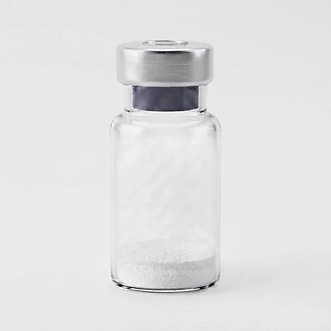
LC-TRZ-10 · 10mg vial
Dual agonist (TRZ) of the GIP and GLP-1 receptors under investigation for metabolic and glycemic research.
Purity
99%
Availability
In Stock
$50.00
- Molecular Formula
- C225H348N48O68
- Molecular Weight
- 4813.53 g/mol
- Sequence
- 39-aa GIP-based dual agonist · Aib at position 2 · C20 fatty diacid acylation at Lys20
- Half-Life
- ~120 hrs
- Physical Form
- Lyophilized powder
- Storage
- -20°C, protect from light
- Purity (HPLC)
- 99%
- SKU
- LC-TRZ-10
Research Dossier
TRZ — Preclinical Profile
A plain-language mechanism of action and a general laboratory research protocol — compiled from published research literature.
For laboratory research only. The information below summarizes published research literature and is provided for reference by qualified laboratory personnel. It is not medical advice and makes no therapeutic claims. These products are not for human or veterinary use, diagnosis, or treatment, and have not been evaluated by the FDA.
Mechanism of Action
This compound works by acting like two natural hormones in the body that help manage energy and sugar. It turns on specific signals that tell the body to release insulin and help the brain feel full. By working on two different pathways at the same time, it helps balance how the body processes food.
Primary Research Areas
Clinical Research Applications
Glycemic Control
Clinical research is exploring the compound's impact on blood sugar levels in subjects with metabolic disorders.
Weight Management
The compound is under investigation for its ability to influence appetite regulation and body mass reduction.
Cardiovascular Health
Researchers are investigating the long-term effects of dual receptor activation on heart and kidney function.
Beta-cell Preservation
Clinical research is exploring whether the compound can help maintain or improve the function of insulin-producing cells in the pancreas.
Metabolic Syndrome
The compound is under investigation for its potential to address multiple interlinking metabolic pathologies simultaneously.
The applications above describe areas of ongoing clinical investigation reported in the research literature. They are not indications of approved use, efficacy, or safety, and do not constitute medical or therapeutic claims.
Laboratory Research Protocol
Reconstitution
Typically reconstituted in sterile bacteriostatic water or phosphate-buffered saline (PBS) to a desired concentration for laboratory use.
Storage
Lyophilized powder should be stored at -20°C for long-term stability; reconstituted solutions should be kept at 4°C and used within a short timeframe.
In-vitro reference range
Literature suggests typical in vitro assay concentrations ranging from 0.1 nM to 100 nM depending on the specific receptor signaling pathway being studied.
Handling notes
For laboratory research use only. Avoid repeated freeze-thaw cycles to maintain peptide integrity.
Concentration ranges reflect values reported in published in-vitro assays and are provided as a literature reference only — not a dosing regimen for use in any organism.
Selected References
- 01Insights into the Mechanism of Action of Tirzepatide — https://pmc.ncbi.nlm.nih.gov/articles/PMC12847476/
- 02Tirzepatide is an imbalanced and biased dual GIP and GLP-1 receptor agonist — https://pubmed.ncbi.nlm.nih.gov/32730231
- 03Tirzepatide: complete guide to the GLP-1R / GIPR co-agonist in preclinical research — https://lab-peptides-france.com/en/news/tirzepatide-guide-complet-co-agoniste-glp1r-gipr-recherche
- 04Structural determinants of dual incretin receptor agonism by tirzepatide — https://www.pnas.org/doi/10.1073/pnas.2116506119
Compliance Statement
This product is supplied strictly for IN-VITRO LABORATORY RESEARCH ONLY. It is NOT a drug, supplement, food, or cosmetic, and NOT intended for human or veterinary consumption, diagnosis, or treatment.